Road Safety
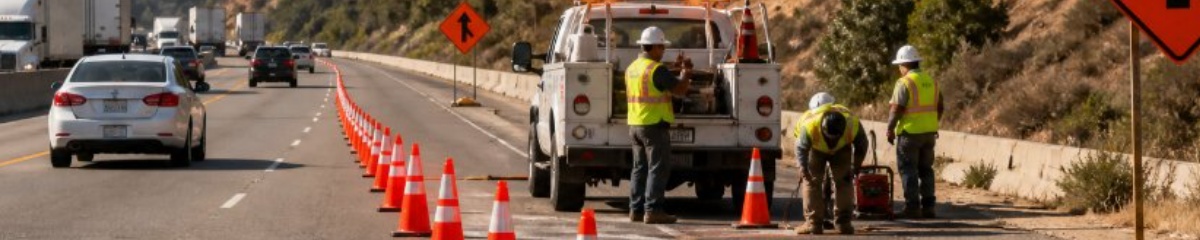
How to Set Up a Lane Closure: Cone Spacing, Taper Length, and Sign Placement (MUTCD-Aligned)
A lane closure that is set up wrong is a liability, not a formality. Here is the cone spacing, taper length, and sign sequence that keeps a work zone MUTCD-aligned and actually safe.
read more...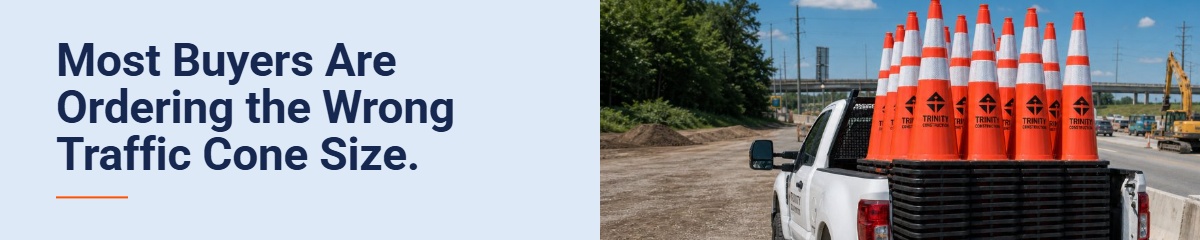
Which Traffic Cone Size Do You Actually Need? 18 vs 28 vs 36 Inch
Not every job needs the same cone. Here is how to match 18, 28, and 36 inch traffic cones to speed, visibility, and DOT requirements before the order ships.
read more...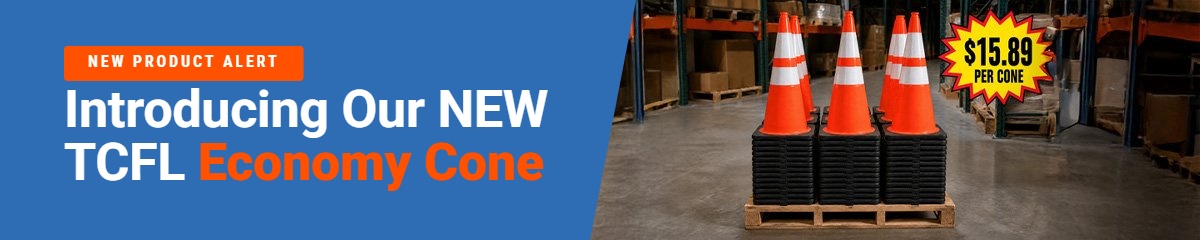
Traffic Cones For Less Held Out As Long As It Could. Here Is the Economy Cone.
The premium-cone crowd finally built a budget cone: a 28 inch orange economy cone sold by the pallet. Here is an honest breakdown of when cheap is the right call and when it quietly costs you more.
read more...
The Intersection Work Zone Playbook: Setting Up the Most Dangerous 60 Feet on Any Job
At an intersection, roughly half the people killed are not the driver who ran the light. Here is how to lay out the most dangerous sixty feet on any job so the crew and the public are protected from the approach that will not stop.
read more...
The Fiscal Year-End Safety Buy: Turn Expiring Budget Into Gear Before September 30
Unspent FY2026 dollars disappear on September 30. Here is how agencies and facilities turn them into cones, barricades, signage, and safety gear that ships before the deadline.
read more...
The Back to School Drop Off Zone Playbook: Safe Lanes, Crossings, and Flaggers Before the First Bell
The first week of school is the highest risk traffic event a campus runs all year. Here is how to lane the drop off line, staff the crossings, and set the signage before the first bell.
read more...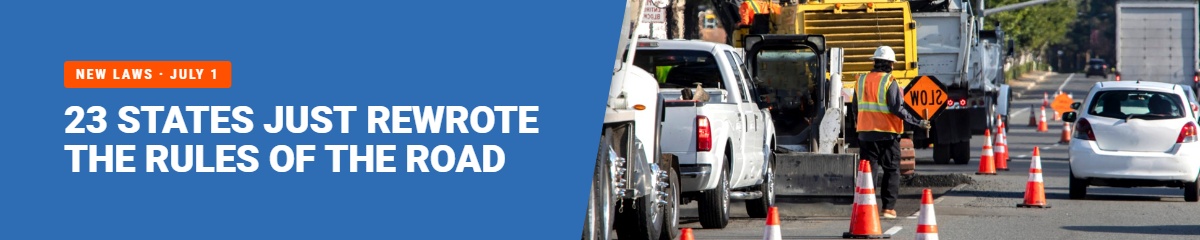
23 States Just Changed the Rules of the Road on July 1. Most Operators Haven't Been Told.
On July 1, 23 states quietly rolled in new traffic laws. The two that hit fleets and work-zone crews hardest are hiding in Virginia and Alabama. Here is the state-by-state cheat sheet.
read more...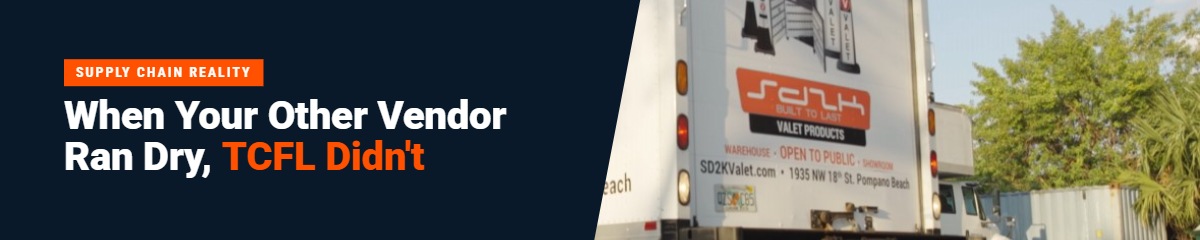
What to Do When Your Safety-Gear Vendor Runs Dry (And Why We Plan Around It)
A backorder doesn't cost you an order, it costs you the job. Here's why traffic safety gear runs dry, how to vet a supplier on availability, and why being in stock is really a safety metric.
read more...
Motorcycle Safety Month: How Proper Road Delineation Protects Every Vehicle on the Road
Most traffic control conversations are built around cars and trucks. But proper road delineation protects every road user, and motorcyclists are among the most vulnerable when work zones and travel lanes are not clearly defined. Here is what Motorcycle Safety Month has to do with the equipment your crew deploys.
read more...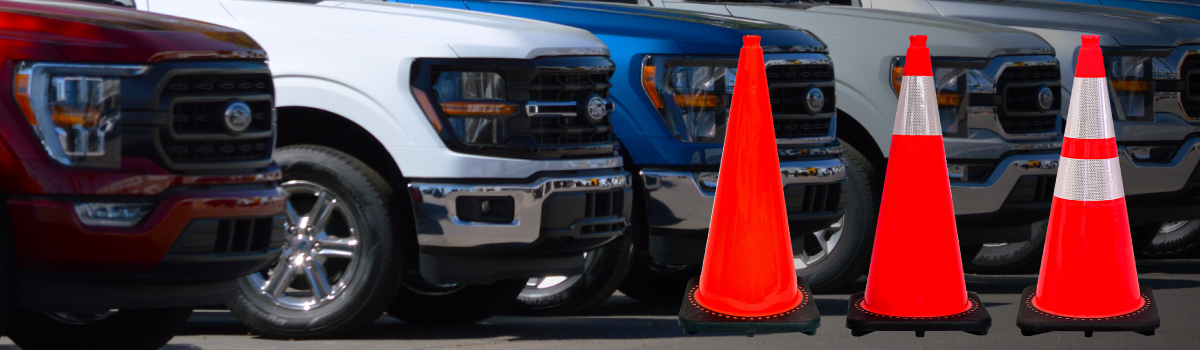
Why Your Truck Bed Needs a Traffic Cone Mount
You've planned your job site, you've got your crew, and you've got your truck. Now, the question is: how do you get your cones to the site efficiently and safely? For too long, the answer has been a messy stack of cones thrown into the back of a truck bed. This approach is inefficient, wastes valuable cargo space, and can even pose a safety risk as unsecured cones become projectiles during transport.
read more...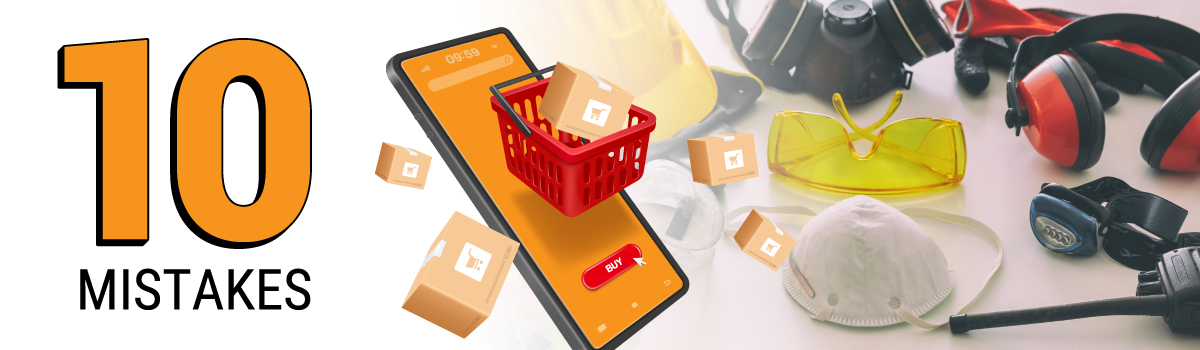
Top 10 Mistakes People Make When Buying Safety Gear Online
Buying traffic safety gear online is convenient, fast, and gives you access to a huge selection. But with so many options, it's easy to make a mistake that could compromise safety, compliance, or your budget. To help you get it right, we've compiled a list of the top 10 mistakes people make when buying safety gear online. Avoid these pitfalls to ensure your team is protected, your site is compliant, and your gear is as functional as it is professional.
read more...
Why Are Traffic Cones Orange? And What Do the Other Colors Mean?
When you’re driving down the road, the sight of a bright orange traffic cone is an immediate signal to slow down, be alert, and follow a specific path. The classic orange cone is so ubiquitous that we often take its color for granted. But have you ever wondered why orange was chosen for this critical safety device, and what the other colors you sometimes see on a worksite mean?
read more...